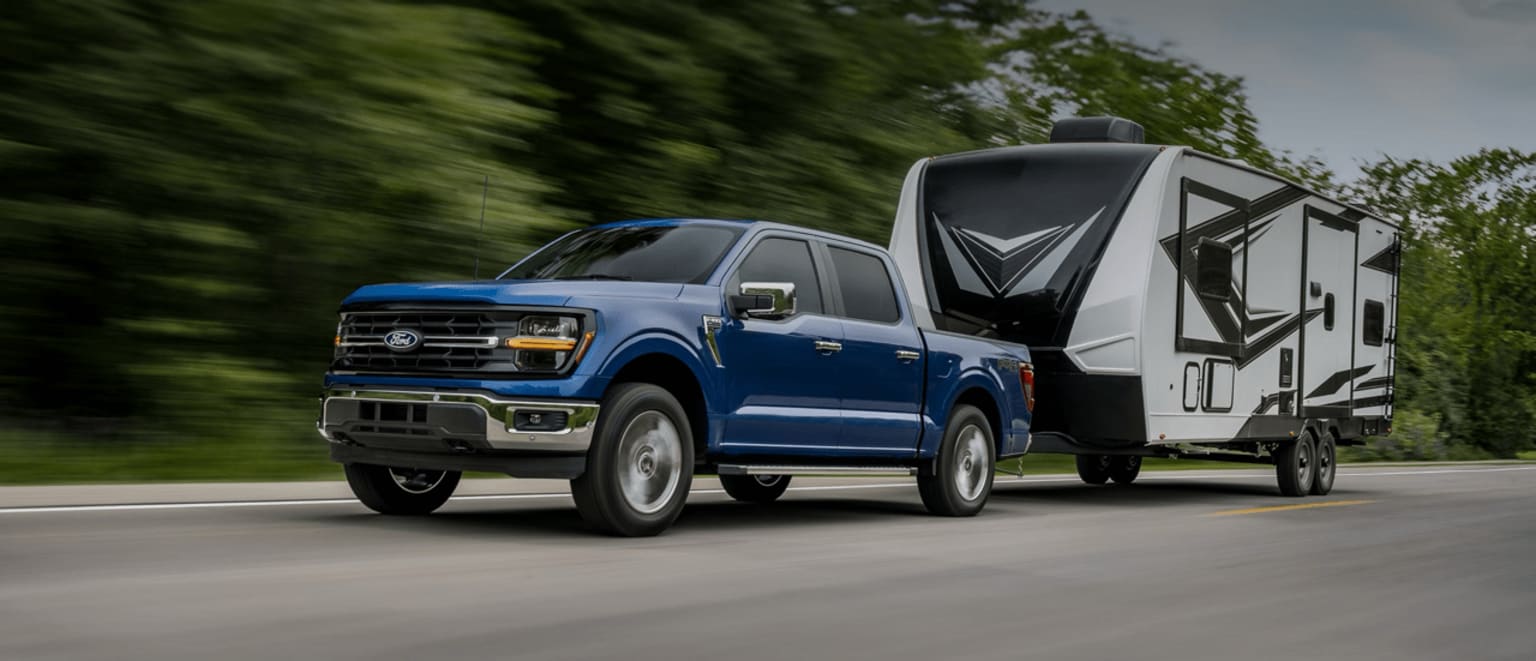
Ford Coyote Engine Guide
What Makes the 5.0L V8 So Popular?
The Modern V8 That Earned a Loyal Following
Some engines are remembered for one impressive number. The Ford Coyote engine became popular because it delivers an entire experience: naturally aspirated response, high-rpm horsepower, unmistakable V8 sound, and enough versatility to work in both performance cars and hardworking pickup trucks.
Introduced for the 2011 model year, the Ford 5.0 Coyote engine brought the 5.0 badge back to the Mustang GT with modern engineering behind it. Ford also developed an F-150 version, creating a V8 that could handle commuting, towing, hauling, track days, and custom builds.
More than a decade later, the Coyote continues to power new Mustangs and selected F-150 configurations. Here’s what Hinesville-area shoppers should know about its design, evolution, output, reliability, and lasting appeal.
⏱️ Quick Answer: What Is the Ford Coyote Engine?
The Coyote is Ford’s modern, naturally aspirated 5.0-liter V8. It uses dual overhead camshafts, four valves per cylinder, and Twin Independent Variable Camshaft Timing, commonly called Ti-VCT.
Unlike an older pushrod V8, the Ford 5.0 Coyote engine uses a 32-valve design that helps it move air efficiently and continue producing power at higher engine speeds. Newer Mustang versions also combine port and direct fuel injection, while the latest generation uses a dual-intake and dual-throttle-body arrangement.
The result is an engine that feels responsive around town but becomes noticeably more energetic as the revs rise.
Why the Ford Coyote Engine Keeps Winning Fans
The Ford Coyote engine delivers the response, sound, and rising power curve enthusiasts expect from a naturally aspirated V8. In a Mustang, Ford tunes it for acceleration and high-rpm performance. In a Ford F-150 with Coyote engine, the focus shifts toward usable torque, towing, hauling, and everyday truck duty.
Quick Coyote Power Snapshot
2026 Mustang GT: 480 horsepower and 415 pound-feet of torque
Mustang GT with Active Valve Performance Exhaust: 486 horsepower and 418 pound-feet
2026 Mustang Dark Horse: 500 horsepower and 418 pound-feet
2026 F-150 5.0L V8: 400 horsepower and 410 pound-feet
Maximum available F-150 towing: Up to 12,800 pounds when properly equipped
The Ford Coyote engine is also popular for restomods and custom builds. Ford Performance offers crate engines, control packs, and related components that give experienced builders a factory-engineered starting point.
Browse 5.0L V8 Inventory
Four Generations of Ford Coyote Engine Evolution
The Coyote hasn’t remained unchanged since 2011. Ford has repeatedly updated its airflow, fuel delivery, internal components, controls, and performance.
Gen 1: A New Kind of Ford 5.0
The first-generation Ford Coyote engine appeared in the 2011 Mustang GT and F-150. Ford Performance specifications identify the original Mustang crate version as a 5.0-liter, four-valve Ti-VCT engine with a displacement of 4.957 liters, or approximately 302 cubic inches.
The Gen 1 Ford 5.0 Coyote engine established the formula that still defines the family: an aluminum block, advanced cylinder heads, variable cam timing, a forged-steel crankshaft, and an eagerness to rev.
For shoppers considering an older Mustang or F-150, vehicle condition and maintenance history matter more than the generation name alone.
Gen 2 and Gen 3: Better Airflow, Smarter Fuel Delivery
Gen 2 arrived in the Mustang for the 2015 model year. Ford revised the cylinder heads with improved ports and larger intake and exhaust valves. It also increased camshaft lift and incorporated lessons from the Boss 302 program.
The Gen 2 Ford Coyote engine remains popular with builders because it improves airflow while retaining a somewhat simpler fuel-delivery system than later versions.
Gen 3 followed for the 2018 Mustang. It brought further cylinder-head and valvetrain changes, a higher compression ratio, and a combination of port and direct fuel injection. The dual-injection system became one of the generation’s defining upgrades, giving the engine greater flexibility under different loads and driving conditions.
Gen 4: Dual Intakes and More Factory Horsepower
The fourth-generation Coyote debuted with the redesigned 2024 Mustang. Its most recognizable change is the dual-air-intake and dual-throttle-body system, which helps increase airflow and reduce induction restrictions.
The Gen 4 Ford Coyote engine also uses port and direct fuel injection, Ti-VCT, high-flow cylinder heads, and a 12.0:1 compression ratio. Ford Performance currently offers a Gen 4 Ford 5.0 Coyote engine crate version rated at 480 horsepower and 415 pound-feet of torque.
A Gen 4X crate engine is also available with a single throttle body intended to make packaging easier in certain custom applications.
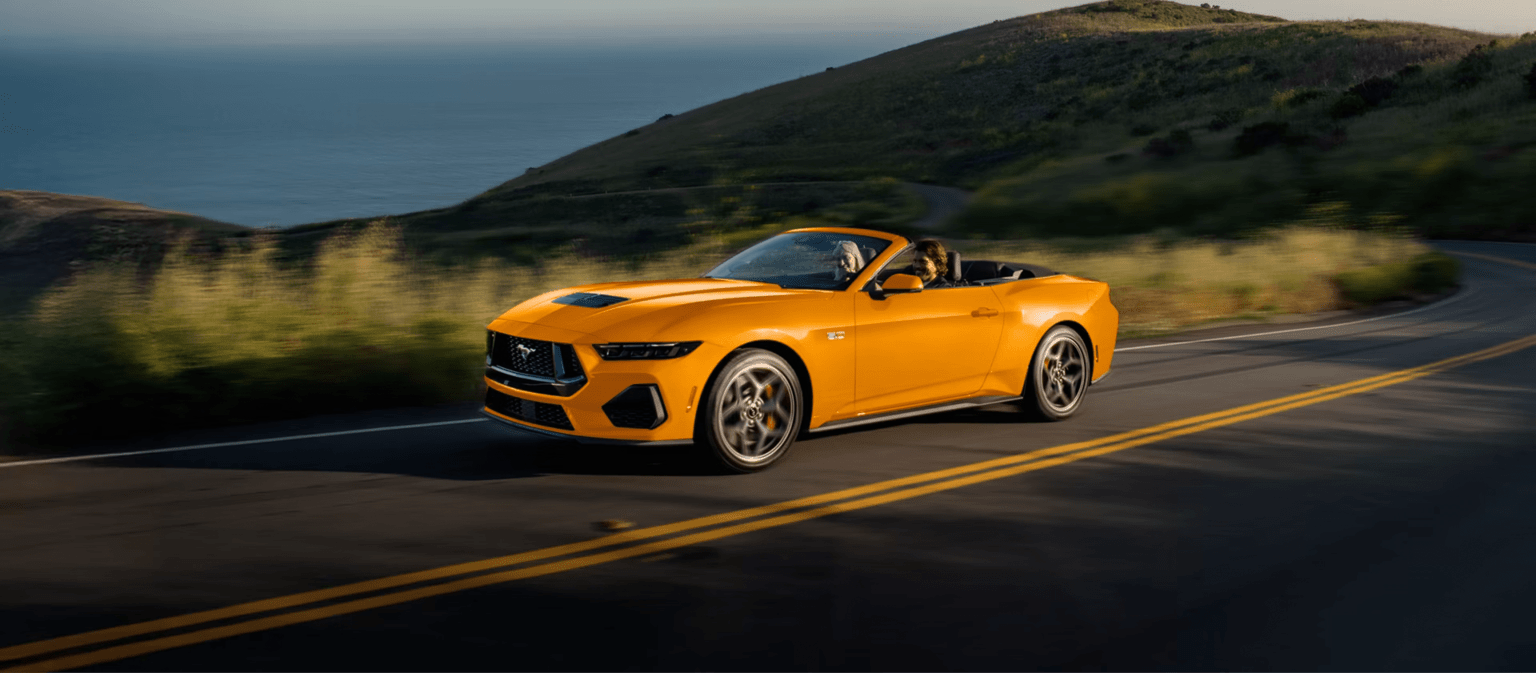
How the Coyote Changes From Mustang to F-150
Although both applications belong to the same engine family, the Ford Coyote engine isn’t configured identically in every vehicle.
Mustang versions prioritize peak horsepower, higher-rpm performance, quick response, and an exciting sound. F-150 versions are integrated around truck-specific needs, including useful torque, cooling, payload, towing, and smooth operation under load.
That distinction matters when shopping for an engine donor or planning a project. A Mustang engine and an F-150 engine may differ in their intake systems, exhaust components, oiling arrangements, accessories, calibration, and other application-specific hardware.
For everyday truck buyers, a Ford F-150 with Coyote engine delivers the appeal of a naturally aspirated V8 without requiring the owner to build or modify anything.
Which Ford Trucks Have the 5.0 Coyote?
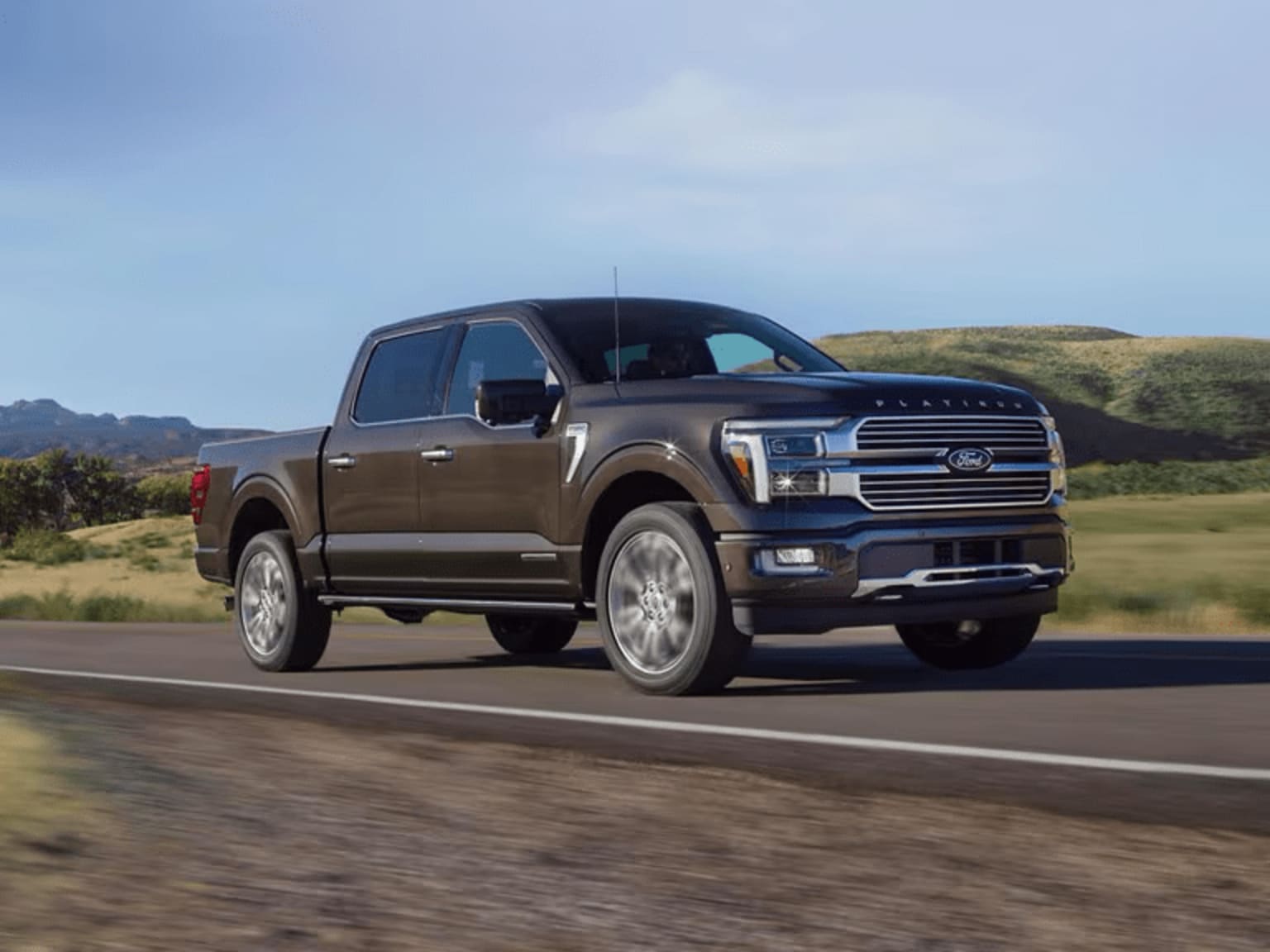
The Ford F-150 has offered the Ford Coyote engine since the 2011 model year. Availability has varied by year, trim, cab, drivetrain, and package.
For 2026, Ford lists the Ford 5.0 Coyote engine as an available choice on selected F-150 configurations, including certain XLT 4x4, Lariat, and Tremor models. Exact combinations can change throughout the model year, so shoppers should verify the engine on the specific truck’s window sticker or inventory listing.
For someone shopping for a Ford F-150 with Coyote engine, the F-150 remains Ford’s primary factory-built pickup offering with the naturally aspirated 5.0-liter V8.
Built to Last? Inside the Ford Coyote Engine’s Reliability
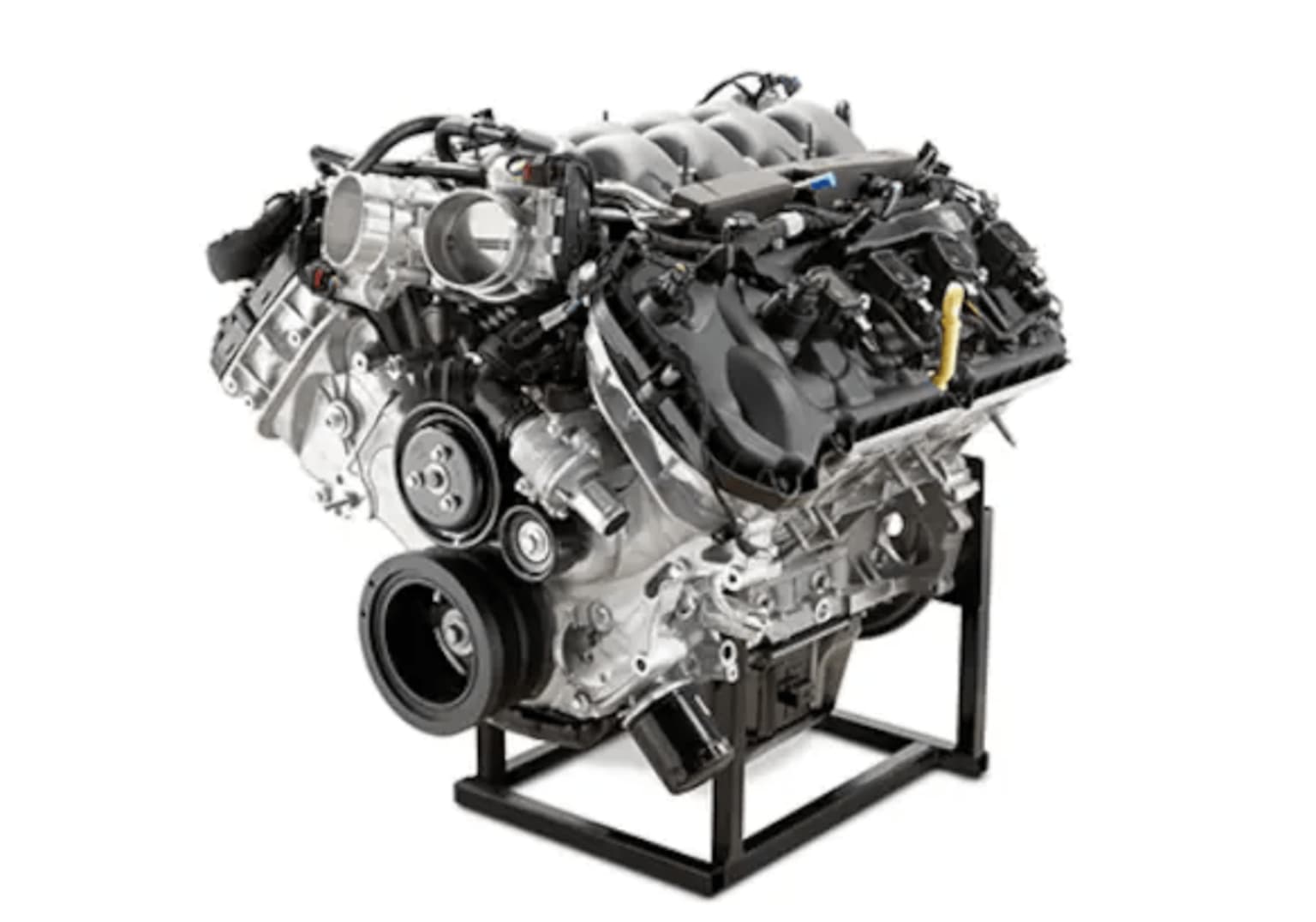
The Coyote can provide dependable service, but no engine’s condition can be judged by its name alone. Reliability depends on maintenance, mileage, operating conditions, modifications, tuning, and how the vehicle has been used.
A regularly serviced, factory-stock Ford 5.0 Coyote engine may have a very different ownership history from one that has been supercharged, repeatedly raced, overheated, or operated with an aggressive aftermarket calibration.
When evaluating a used Coyote-powered vehicle, review its maintenance records and inspect for warning lights, leaks, smoke, cooling-system problems, unusual noises, or evidence of poorly installed modifications. A professional pre-purchase inspection is particularly valuable when the engine or transmission has been altered.
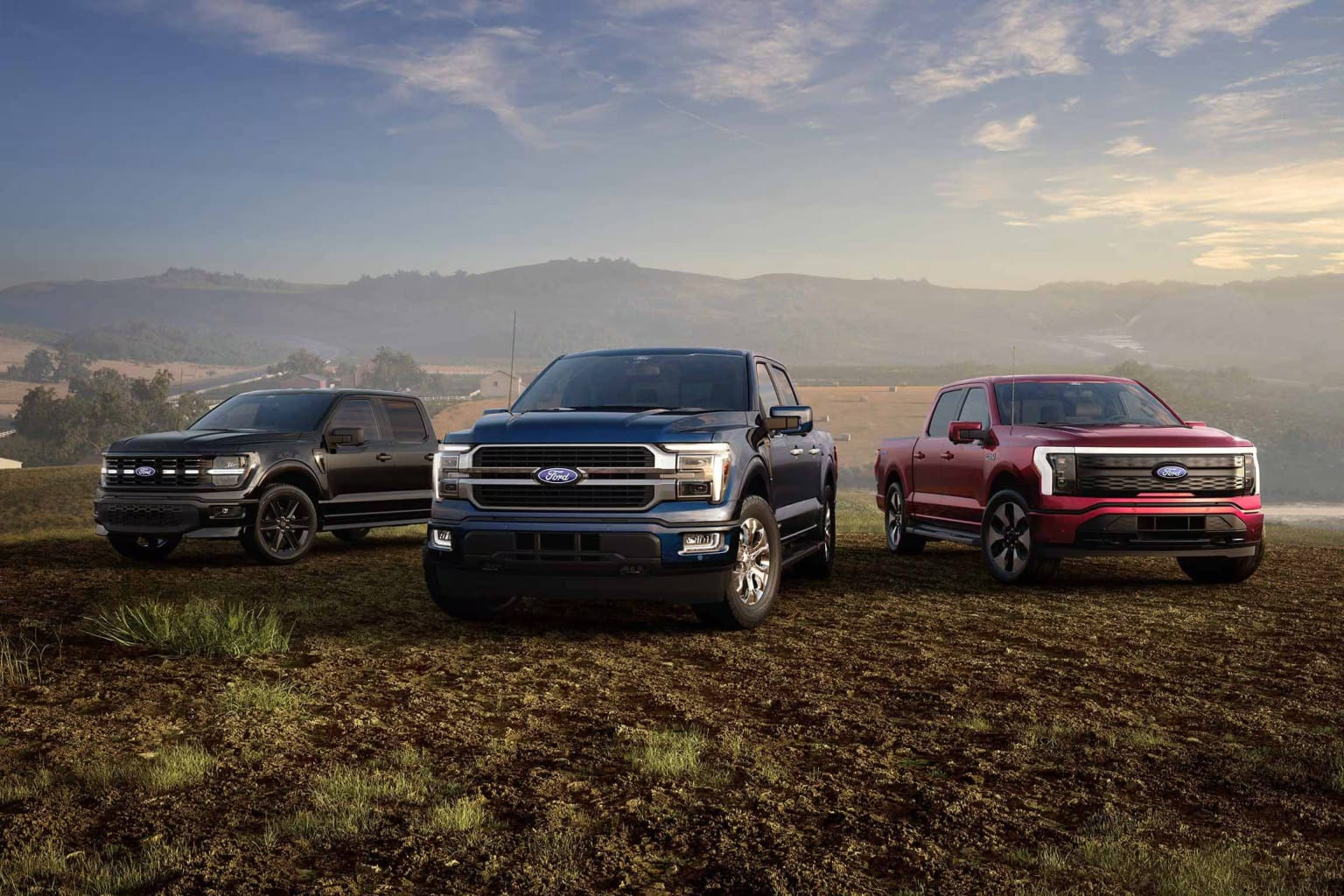
Is the Coyote Right for Your F-150?
Choose the Ford Coyote engine when you value naturally aspirated response, traditional V8 sound, strong truck capability, and broad aftermarket support.
An EcoBoost engine may suit drivers who prefer greater low-rpm torque from a smaller turbocharged engine. PowerBoost may appeal to shoppers seeking hybrid performance and available onboard electrical capability. A Ford F-150 with Coyote engine is for drivers who want their truck’s power to feel direct, familiar, and unmistakably V8.
The best engine isn’t simply the one with the highest number. It’s the one that fits your towing plans, daily route, payload needs, maintenance preferences, and driving style.
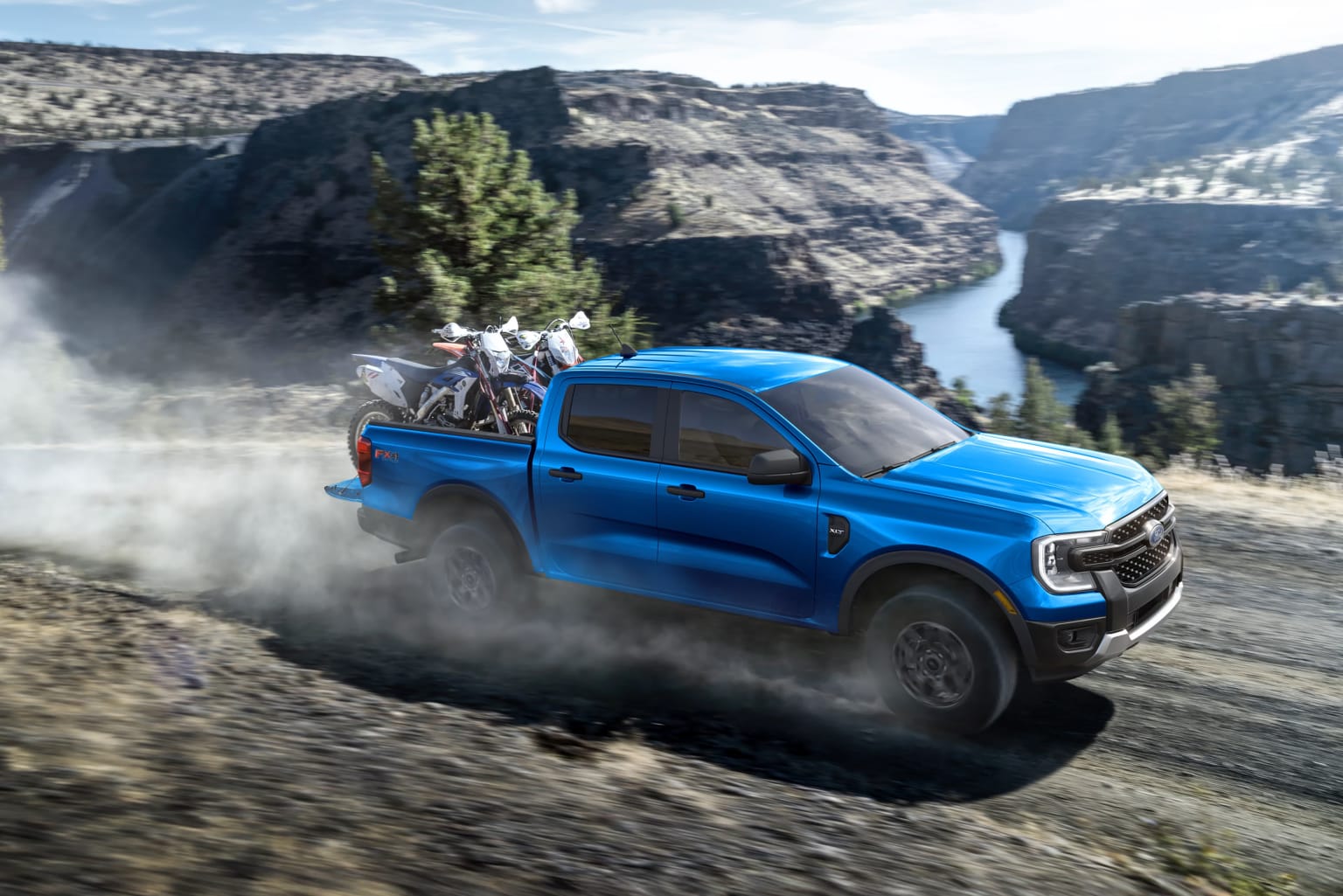
Can You Put a Coyote in a Ford Ranger?
A skilled builder can install a Coyote in certain Ranger generations, but it’s a major custom project rather than a factory-supported engine replacement.
Installing a Ford 5.0 Coyote engine can require custom mounts, transmission integration, wiring, electronic controls, cooling upgrades, exhaust fabrication, fuel-system work, driveshaft changes, and stronger supporting components.
Ford Performance offers crate engines and control packs for custom applications, but builders must still solve vehicle-specific packaging and compatibility challenges. Some performance components may also be intended for competition or off-highway use, so emissions, registration, and inspection requirements should be researched before work begins.
Find Your Coyote-Powered Ford in Hinesville
The Coyote has stayed relevant because it combines modern technology with the sound, response, and personality shoppers expect from a Ford V8.
Whether you’re comparing Mustang GT models or looking for a Ford F-150 with Coyote engine, J.C. Lewis Ford Hinesville can help you explore available vehicles, review equipment, and choose a powertrain that suits the way you drive.
Browse our current Ford inventory online or visit us in Hinesville to compare Mustang and F-150 options near Fort Stewart, Richmond Hill, Jesup, and Savannah. Inventory, specifications, and engine availability should always be confirmed on the exact vehicle before purchase.
Ford Coyote Engine FAQs
Have questions about the Ford 5.0 Coyote engine and its Mustang, F-150, or custom-build applications? Here are clear answers to the questions shoppers ask most often.