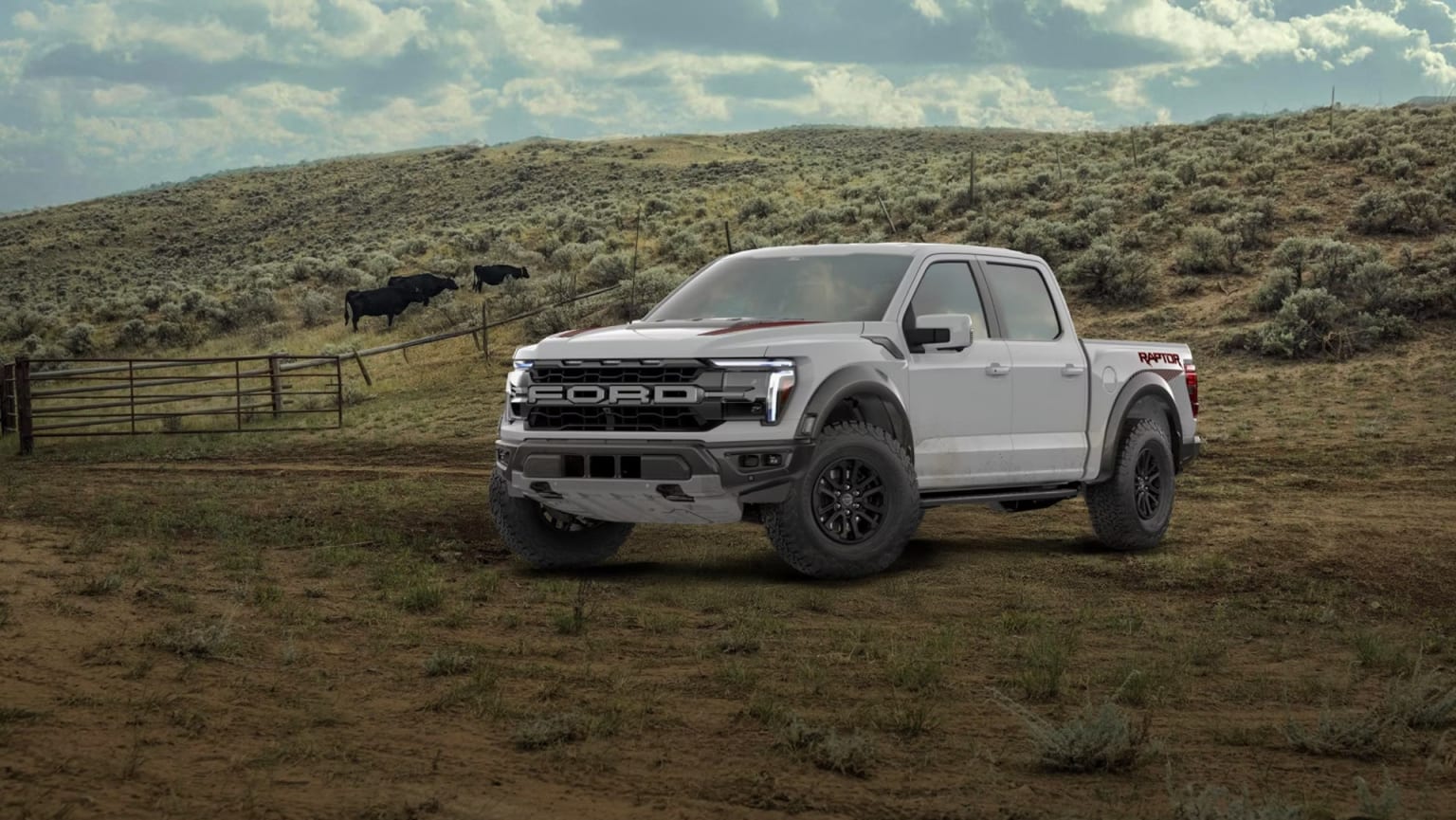
Ford Drive Modes Explained: What Changes Behind the Scenes
Built to Adapt.
Modern Ford vehicles are smarter than ever, and one of the most underrated features hiding in plain sight is Ford’s drive modes.
With the turn of a dial or tap of a screen, your truck or SUV can completely change its personality. But what’s actually happening behind the scenes? Are these modes just marketing labels… or do they truly change how your vehicle performs? Let’s break it down.
One Dial. Multiple Personalities.
When you select your Ford drive modes, your vehicle doesn’t just adjust one setting. It recalibrates multiple systems at once, including:
Throttle response
Transmission shift points
Steering feel
Traction control sensitivity
Stability control thresholds
Four-wheel-drive engagement
Suspension tuning (on equipped models)
Engine braking
Exhaust tone (on select performance trims)
It’s not cosmetic. It’s mechanical and software-driven reprogramming designed to optimize your vehicle for specific driving conditions.
Whether you’re using Ford F-150 drive modes, Ford Explorer drive modes, or driving a Bronco or Escape, these modes are engineered to adapt to real-world terrain and driving styles.
What Ford Drive Modes Actually Do
Different models offer different combinations, but here are some of the most common and what they really change:
Normal Mode
Your everyday setting. Balanced throttle, smooth shifting, and predictable steering feel for commuting and daily driving.
Eco Mode
Softens throttle input and adjusts transmission behavior to prioritize fuel efficiency. Great for highway cruising or saving at the pump.
Sport Mode
Sharper throttle response, higher RPM shift points, firmer steering feel, and in some models, more aggressive exhaust tone. This is your “wake it up” setting.
Tow/Haul Mode
Designed for towing and hauling heavier loads and available as one of the Ford F-150 drive modes. Adjusts shift points to hold gears longer, improves engine braking, and reduces gear hunting under load.
Slippery Mode
Reduces throttle sensitivity and adjusts traction control to improve grip in rain, snow, or icy conditions.
Deep Snow/Sand
Maintains steady torque delivery and adjusts traction systems to prevent wheel spin while maintaining forward momentum.
Trail / Off-Road Modes
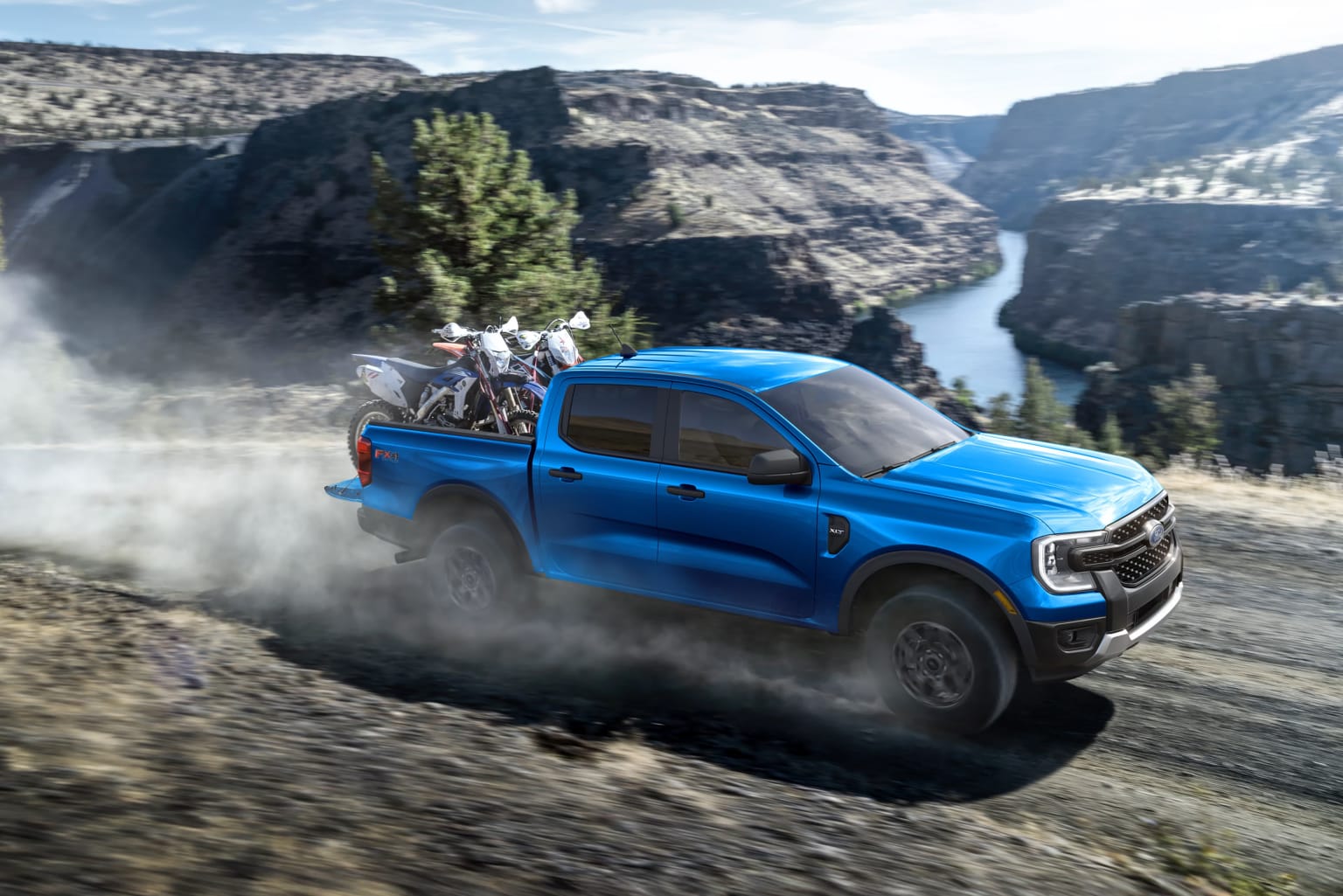
On vehicles like the Bronco or Tremor-equipped trucks, this can activate off-road calibrations for throttle, steering, and traction.
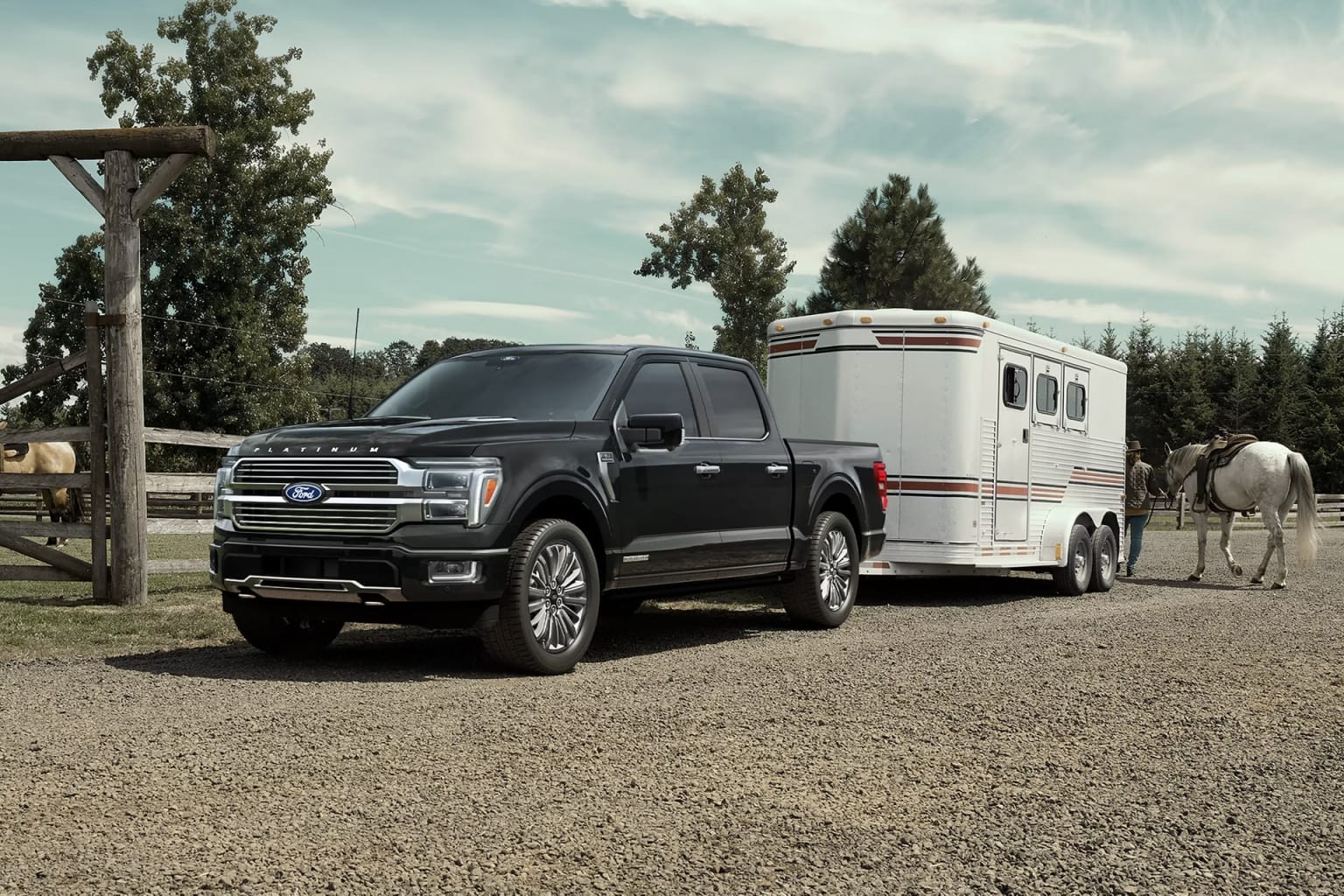
Ford F-150 Drive Modes: Built for Work and Play
The Ford F-150 drive modes system is one of the most advanced in the lineup.
Depending on trim, the F-150 may include:
Normal
Eco
Sport
Tow/Haul
Slippery
Deep Snow/Sand
Trail
Rock Crawl (on certain off-road models)
When you switch to Tow/Haul, for example, the truck adjusts transmission mapping and engine braking to manage trailer weight more confidently. Sport mode sharpens acceleration and can dramatically change the feel of the truck.
This Ford’s drive modes’ adaptability is part of what makes the F-150 so versatile for Hinesville drivers who need one vehicle to do it all.
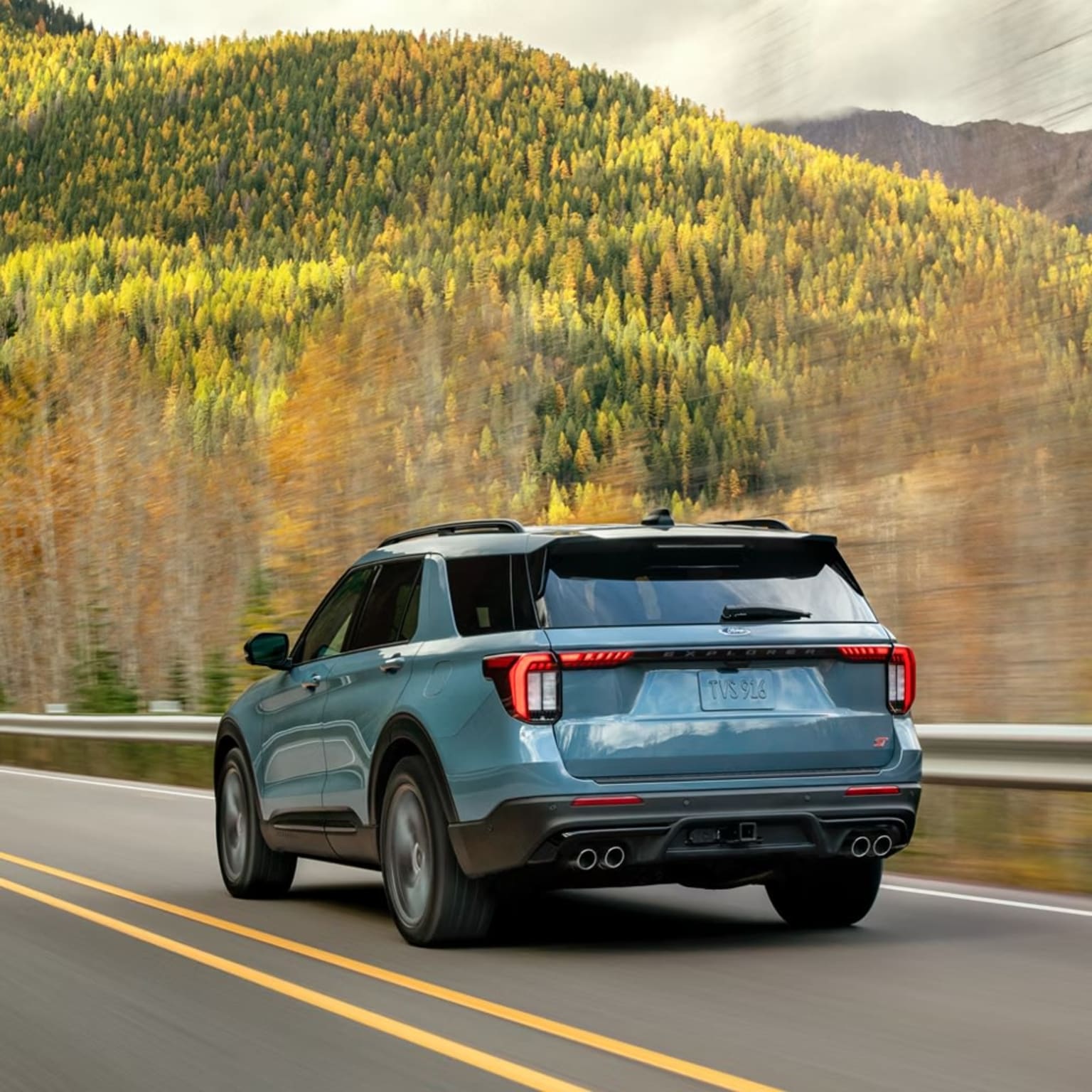
Ford Explorer Drive Modes: Confidence in Any Condition
The Ford Explorer drive modes system, especially on 4WD or Terrain Management-equipped models, allows you to tailor your SUV to Georgia’s changing weather or weekend trips.
Depending on trim, Explorer may offer:
Normal
Eco
Sport
Tow/Haul
Slippery
Trail
Deep Snow/Sand
The Terrain Management System actively adjusts drivetrain torque distribution and traction control to match conditions. These Ford drive modes are especially useful for light trails, rainy roads, or pulling a small boat to the coast.
What Changes Mechanically?
Let’s get more technical. When you change Ford drive modes, Ford’s onboard computer recalibrates:
Throttle Mapping
How aggressively the engine responds when you press the accelerator.
Transmission Logic
When and how gears shift. Sport mode holds gears longer. Eco shifts sooner.
Traction & Stability Control
Wheel slip tolerance changes depending on terrain mode.
Steering Calibration
Electronic power steering adjusts assist levels.
4WD Torque Distribution
On 4WD models, torque bias shifts between front and rear wheels.
Suspension Damping (When Equipped)
Some trims adjust suspension firmness automatically. This integration is why Ford drive modes feel noticeable, not gimmicky.
When Should You Use Each Ford Drive Mode?
Here’s a simple cheat sheet:
Daily commute: Normal
Highway road trip: Eco
Quick acceleration / merging: Sport
Towing a trailer: Tow/Haul
Rainy roads: Slippery
Beach or snow: Deep Snow/Sand
Light trails: Trail
You’re not locked into one driving personality. That’s the beauty of it.
Why Drive Modes Matter More Than You Think
For Hinesville drivers, versatility matters.
You may:
Commute during the week
Tow equipment or a boat on weekends
Navigate wet coastal roads
Take the family on a trail adventure
Instead of buying multiple vehicles, Ford drive modes let one vehicle adapt. It’s smart engineering that increases confidence, control, and capability.
Does Switching Modes Hurt Your Vehicle?
No. Ford drive modes are engineered into the vehicle. You’re not stressing components, you’re just using factory-designed calibrations for specific scenarios. Ford tests these systems extensively before release.
Experience Ford Drive Modes in Hinesville
The best way to understand the difference between Normal and Sport, or Tow/Haul and Slippery, is to feel it. At J.C. Lewis Ford Hinesville, our team can walk you through Ford F-150 drive modes, Ford Explorer drive modes, trim-specific differences, and which setup fits your lifestyle.
Take a test drive and experiment with the dial yourself. You’ll feel the change immediately. One vehicle. Multiple personalities. Built for real life.
Frequently Asked Questions About Ford Drive Modes
Ford’s selectable drive modes are designed to be intuitive, but many drivers still have questions about how they work and when to use them. Here are answers to some of the most common ones.